
Why Is Sourdough Bread Good for You?
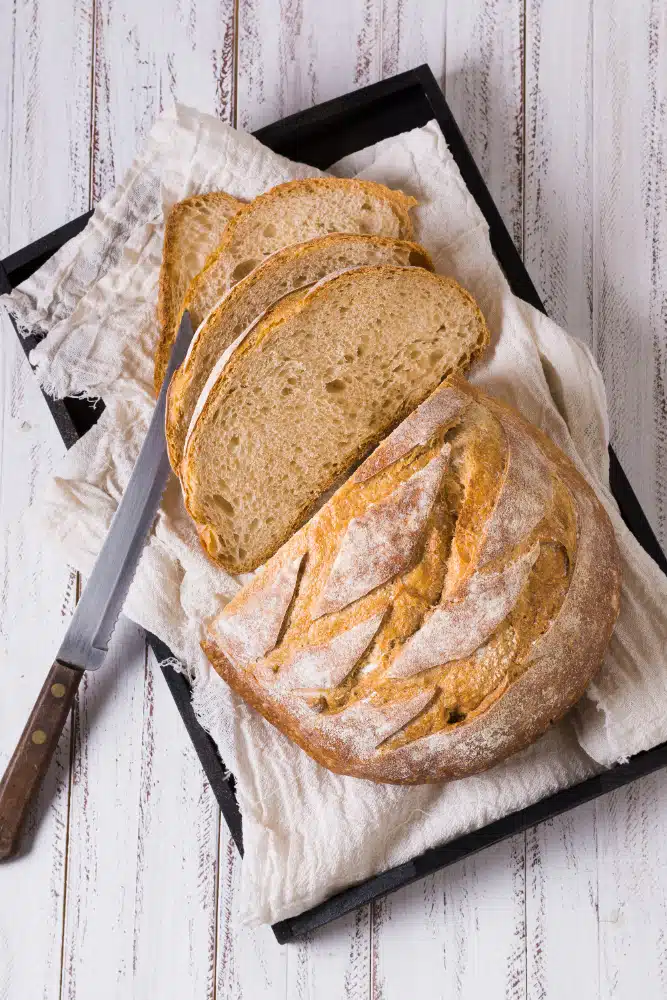
When we cut into a fresh loaf, we heard that thick crust crackle. That signature tang isn’t just a random flavour choice. It marks an ancient tradition that kept our ancestors healthy for centuries.
Today, many of us struggle with heavy bloating or fatigue after eating standard factory loaves. We often assume the only option is banishing bread entirely. But wheat isn’t the real enemy, industrial speed is.
If we ever wonder why sourdough bread is good for you, the exact answer lies in wild fermentation. We want to show how this slow-baked staple completely transforms our digestion. For hands-on techniques, our complete guide to artisan baking covers every step.
The Science of Sourdough: What Makes It Different?
Sourdough is a naturally leavened bread. Instead of relying on artificial powders, it uses a fermented culture of flour and water to rise. It depends entirely on wild yeast and lactic acid bacteria.
To understand why this feels so much better in our bodies, we have to look closely at what happens inside the mixing bowl.
Wild Yeast vs. Commercial Yeast
Industrial baker’s yeast is built for one thing: pure speed. Factory bakeries want to mix a dough and have it fully inflated in under an hour. They use aggressive commercial yeast to pump the dough full of gas as quickly as possible.
Because this factory process happens so fast, it skips over all the necessary cellular breakdowns. It leaves the raw flour proteins completely untouched. When that factory loaf goes into the oven, the grains are essentially still raw and incredibly hard to digest.
Authentic baking relies on a live starter culture instead. This starter is a self-sustaining, living ecosystem. It captures wild yeast strains and beneficial bacteria right from the environment.
These wild organisms refuse to be rushed. They work at a slow, deliberate pace. They feed on the starches in the grain over many hours, naturally producing carbon dioxide to lift the bread without any chemical shortcuts.
The Magic of the Fermentation Process
Time changes everything in a traditional bakery. When we let a mixed dough sit and ferment for 12 to 24 hours, a chemical shift happens.
The wild lactic acid bacteria begin producing microscopic enzymes. These enzymes systematically break down complex carbohydrates. They chew through difficult grain proteins.
This creates a natural pre-digestion phase. By the time our dough finally goes into a hot oven, the active microbes have already done the heavy lifting. They complete the hard digestive work your stomach would normally have to struggle with alone.
5 Proven Health Benefits of Sourdough Bread
Before we look at the deep biology, here is a quick summary of the benefits you get from naturally fermented bread:
- It feeds our gut microbiome with highly stable prebiotic fibres.
- It flattens out blood sugar spikes by providing slow-release energy.
- It unlocks critical trace minerals by breaking down grain defences.
- It drastically eases digestive strain for people with mild wheat sensitivities.
- It supplies our bodies with raw antioxidants.
1. Supports Gut Health and Digestion
Our internal digestive tract relies heavily on a delicate balance of microbial life. We need good bacteria to process our meals and keep our immune system running properly.
The Prebiotic Effect
There is a huge piece of misinformation floating around the internet right now. People claim that eating a slice of sourdough introduces live probiotics directly into our gut.
Let us clear this up: this is biologically impossible. The extreme heat of the baking oven completely kills all live bacterial cultures.
However, the health value does not disappear when those microbes die. The long fermentation cycle creates an abundance of highly durable prebiotics inside the bread.
These prebiotics are tough, specialised dietary fibres. They pass straight through our harsh stomach acids without breaking down. They reach our lower digestive tract fully intact, acting as a premium food source for our native, healthy gut bacteria. Feeding these existing colonies is exactly what helps clear up chronic bloating and stabilises our daily digestion.
2. Lowers Blood Sugar Spikes (Low Glycemic Index)
Most supermarket white bread causes a rapid, violent spike in our blood sugar. This is quickly followed by a dramatic insulin crash that leaves us feeling drained, shaky, and hungry again an hour later.
Slow fermentation changes this metabolic pathway entirely. As the lactic acid bacteria multiply, they release organic acids that naturally lower the pH of the dough.
These specific acids interact with our own digestive enzymes. They physically slow down the speed at which our stomachs process starches and empty food into our intestines.
This guarantees a measured, gradual release of glucose into our bloodstream. It eliminates the sharp insulin spikes that trouble our metabolic systems. If you want a deeper look at how different baking methods impact your daily glucose, reading up on understanding the glycemic index of bread will completely change how you plan your lunches.
3. Increases Nutrient Absorption
Grains carry built-in chemical defences. Plants use these defenses to protect their seeds until they are ready to sprout in the soil. The main defence mechanism is a stubborn compound called phytic acid.
Phytic acid is widely known as an antinutrient. While the grain sits in our digestive tract, this acid binds tightly to vital minerals like iron, zinc, and magnesium. It locks them up like a vault, meaning our bodies cannot actually absorb the nutrition we just ate.
The naturally low-pH environment created during wild fermentation fixes this problem. The acidity activates an internal grain enzyme called phytase. This specific enzyme works like a key to dismantle the phytic acid bonds, setting all that trapped nutrition free.
Long-form wild fermentation naturally neutralises up to 70% of the phytic acid in wheat. This makes the inherent minerals instantly bioavailable to our cells.
4. May Be Easier for Gluten-Sensitive Individuals
We need to state this very clearly: wheat-based sourdough is never safe for anyone dealing with diagnosed Celiac disease. Celiac is a serious autoimmune condition that requires the complete, total avoidance of all gluten proteins.
However, there is great news for those dealing with non-celiac gluten sensitivity. If you usually experience intense bloating, cramps, or brain fog from standard bread, wild fermentation often provides relief.
The extended resting window gives the bacteria plenty of time to slice through the dense, rubbery chains of gluten. They break these tough proteins down into simple, easily managed amino acids.
This process removes the primary structural element that usually leaves our stomachs feeling heavy, locked up, and painfully inflamed.
5. Rich in Essential Minerals and Antioxidants
Commercial bread factories regularly spray their refined flour with synthetic vitamins. They do this to artificially replace the natural nutrients they destroyed during their high-speed, aggressive milling process.
Traditional wild fermentation preserves what nature already puts inside the grain. The metabolic activity of the wild yeast naturally releases hidden B vitamins, potassium, and selenium directly from the plant cells.
At the same time, the bacteria produce postbiotic compounds. They generate natural antioxidants that help protect our human cells from daily stress. This gives us a deeply nourishing food that relies on organic biology instead of laboratory-made chemical additives.
Sourdough vs. Regular Bread: The Ultimate Comparison
Let us look closely at how traditional artisan baking measures up directly against standard industrial factory loaves.
| Feature | Authentic Artisan Sourdough | Regular Commercial Bread |
| Leavening Agent | Wild Yeast & Lactic Bacteria | Industrial Baker’s Yeast |
| Digestibility | Very High (Pre-digested matrix) | Low (Raw un-fermented proteins) |
| Glycemic Index | Low (Typically around 54) | High (Typically around 71) |
| Shelf Life | Natural acidity blocks mould growth | Requires synthetic preservatives |
Why Trust NOVAK’S BAKERY With Your Nutrition?
At NOVAK’S BAKERY, we flat out refuse to cut corners. We will never rush the natural biological processes that make bread truly good for our bodies.
We have spent more than ten years studying traditional grain variations. We have spent countless early mornings mastering the delicate, hands-on mechanics of wild fermentation.
We do not use chemical dough conditioners, speed-milling tricks, or artificial additives to force our dough to perform. Our team collaborates directly with clinical nutritionists to ensure our production methods actively support your daily gut health.
Our core mission is simple. We want to provide nutrient-dense food that supports your physical well-being. Over the years, we have watched hundreds of our customers return to enjoying fresh bread safely after they had given up on carbohydrates. We build our recipes on patience, hard-earned experience, and absolute respect for traditional food science.
Real vs. Fake Sourdough: How to Shop Smart
Because natural fermentation has become such a big marketing trend lately, major commercial brands are getting greedy. They are using highly deceptive labelling to capture health-conscious shoppers.
They want to charge you a premium price tag, but they refuse to dedicate 24 hours to a single batch of dough. As a result, they sell a fake imitation product that lacks any of the genuine metabolic health advantages we just discussed.
Reading the Label at the Grocery Store
When we pick up a loaf at the supermarket, we completely ignore the big bold claims printed on the front of the plastic bag. Turn the package over and read the actual ingredient list on the back.
If you see commercial yeast, vinegar, fumaric acid, ascorbic acid, or “sour flavouring” listed anywhere, put it back immediately. You are holding a fake loaf. Factories use these acidic additives to mimic the classic tangy flavour in under an hour. This chemical shortcut completely bypasses the real fermentation needed to break down gluten and phytic acid.
True, authentic bread requires nothing more than three basic building blocks: flour, water, and salt. If you see a long paragraph of strange chemical stabilisers, it belongs on the shelf, not in our bodies.
Our best option is to source fresh, whole-grain sourdough from a trusted local bakery that respects the slow, traditional process. This guarantees we are buying real, physical health benefits rather than just an overpriced, artificially flavoured factory sponge.
Frequently Asked Questions
Q. Is sourdough bread healthier than regular bread?
A. Yes, without a doubt. The natural fermentation process breaks down harmful antinutrients, drops the glycemic index significantly, and simplifies complex proteins so our bodies can access hidden vitamins easily.
Q. Why is sourdough easier to digest?
A. The long hours of fermentation act as a natural pre-digestion phase. The wild microbes break down the tough gluten structures and heavy starches before the loaf ever reaches the kitchen table, saving the stomach hours of hard work.
Q. Does sourdough bread help gut health?
A. Yes, it does. At the same time, the high oven heat eliminates the live bacteria, and the baking process locks in valuable prebiotic fibres. These fibres travel down to feed our native, healthy gut bacteria and support much smoother daily digestion.
Q. Can people with diabetes eat sourdough bread?
A. Many individuals who manage their blood sugar can incorporate it into their meals safely. The natural organic acids slow down starch digestion in the stomach. This prevents the rapid, dangerous glucose spikes common with standard white bread.
Q. Does sourdough bread contain probiotics after baking?
A. No. The extreme heat inside the baking oven kills all living probiotics. However, the highly beneficial prebiotics and stable postbiotic compounds remain completely intact within the final baked crust.
Q. What makes sourdough bread healthier than regular bread?
A. It drops industrial shortcuts completely. By relying on wild yeast and lactic bacteria instead of fast commercial yeast, the process reduces digestive distress, improves mineral absorption, and gives us clean, long-lasting energy.
Q. Can you eat sourdough bread every day?
A. For most people who do not have a medical Celiac diagnosis, enjoying it daily is a fantastic, delicious way to add complex carbohydrates and gut-supporting prebiotic fibre to a clean, balanced lifestyle.
Conclusion: Making the Switch to Sourdough
Moving away from hyper-processed industrial white loaves and choosing slow-fermented artisan options is incredibly rewarding. It is one of the easiest upgrades we can make to our daily wellness routine.
Beyond the science-backed benefits, sourdough offers complex flavour and a chewy texture far superior to factory-made bread. For the Best Sourdough Bread Limerick, Novak’s Bakery offers quality artisan options, including Wholesale Sourdough Bread Limerick for larger requirements.
We do not need to fear carbohydrates; we need to choose food made in harmony with human biology. You can even create your own sourdough starter with simple flour and water and begin your fermentation journey at home.

