
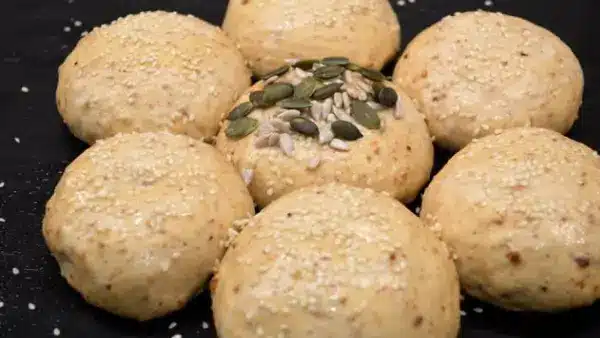
What Makes Brioche Buns Different from Regular Buns?
We have all been there. You spend all afternoon prepping the grill. You season the meat perfectly, get that beautiful char on the patty, and melt the cheese just right. You take that glorious first bite.
And then? Disaster strikes.
The bun instantly turns into a soggy mess. It falls apart in your hands, leaving you holding a greasy patty with no structural support. It’s a tragedy.
We see this happen all the time in backyard barbecues and even professional kitchens. Choosing the wrong bun ruins the entire meal, no matter how expensive your meat is. The vessel matters just as much as the cargo.
That brings us to the magic of French baking. Enter the concept of “enriched dough.” This specific technique completely changes how bread handles heavy sauces, dripping fat, and juicy tomatoes.
Here, we are going deep into the kitchen to settle the ultimate debate of brioche buns vs regular buns. We will break down exactly what goes into these doughs, explore the flavour profiles, and give you the real culinary rundown on when to use which bun. By the end, you’ll never ruin a perfect sandwich with the wrong bread again.
The Short Answer: What is the Main Difference?
Brioche buns are different from conventional buns in that they are produced with an enriched dough that contains lots of butter, eggs, milk and sugar. Brioche is softer, richer, a little sweet and has a golden crust. Regular buns are made from a lean dough, largely wheat and water.
The Enriched Dough Factor
Let’s talk about baking science for a second, but we’ll keep it out of the textbook. In professional bakeries, we classify brioche as an enriched dough.
What does that actually mean? It means we add heavy fats and sugars straight into the mixing bowl. We aren’t just relying on water and flour. These extra ingredients fundamentally change the gluten network.
Instead of developing long, chewy strands as you’d find in a tough pizza crust, the fat coats the proteins in the flour. This stops the bread from getting rubbery.
Regular buns live on the opposite end of the spectrum. We call that lean dough. A lean dough relies on the absolute basics. You have flour, water, yeast, and salt.
Because there is no heavy fat weighing the mixture down, the yeast throws a party. It works fast, creating large air pockets. The result? A lighter, airier bite that plays a totally different role on your plate.
Decoding the Brioche Bun
Key Ingredients Inside Brioche
If you want to know why this bread melts in your mouth, you have to look at the mixing bowl. The magic lies in a few crucial additions.
Butter and Eggs
Butter is the MVP here. It brings an incredible, velvety tenderness to the crumb. The fat physically shortens the gluten strands. This makes the bite ridiculously soft.
Then you have the eggs. Eggs do two things. First, the yolks act as an emulsifier to hold all that butter together. Second, they give the bread stability, a vibrant yellow color, and a deep, rich flavor that standard water-bread cannot fake.
Milk and Sugar
Instead of using plain water, we hydrate this dough with whole milk. Milk adds a silky smoothness to the interior crumb.
Sugar steps in for two reasons. It feeds the yeast to ensure a strong rise despite the heavy fats. More importantly, sugar helps create that gorgeous, shiny, golden crust when it hits the hot oven. We call that the Maillard reaction.
Texture and Structural Integrity
Pick up a brioche roll. Notice something? It feels heavier than a cheap supermarket bun. That weight is a good thing. That weight equals structural integrity.
The inside is dense but still surprisingly fluffy. Think of it like a premium culinary sponge. It actively absorbs dripping meat juices, melted cheddar, and thick barbecue sauce without turning into mush.
Line cooks rely on this durability. When you serve a half-pound patty, you need a bun that won’t give up halfway through the meal.
The Flavor Profile
You know brioche the second it hits your tongue. The flavor profile is bold.
First, you catch a subtle, undeniable sweetness. It’s a sweetness that doesn’t overwhelm, but it’s just the right balance to the salty, savoury notes of roasted meat.
The sweetness gives way to a deep, buttery richness. It offers a rich flavour that elevates a plain sandwich to a gourmet one. It creates that sweet-and-savory contrast people crave.
The Anatomy of a Regular Hamburger Bun
Traditional Lean Dough Ingredients
Sometimes, you don’t want to mess with a classic. There is a time and place for simple, uncompromised basics. Regular hamburger buns are exactly that.
A traditional lean dough strips everything back. You are looking at flour, water, yeast, and maybe a tiny pinch of sugar or salt to wake up the yeast. That’s it.
Because we leave out the butter and eggs, the baking process is fast and predictable. The bread doesn’t fight you. It bakes up light, reliable, and exactly how you expect it to every single time.
Texture and Best Uses
Tear into a standard bun. You will see a highly aerated, open crumb. The outer crust doesn’t have that shiny egg wash, it’s usually soft, matte, and incredibly flexible.
The biggest advantage here is the completely neutral flavor. A regular bun stays in its lane. It never competes with your savory fillings.
If you are cooking a delicate piece of fish or a highly seasoned smash patty where the beef crust is the star, lean dough is your best friend. It acts as an edible napkin, a vehicle to get the food to your mouth without distracting your taste buds.
Head-to-Head Comparison: Brioche vs. Regular Buns
Let’s put them side-by-side. Here is a quick breakdown of how these two styles compare in the kitchen.
| Feature | Brioche Buns | Regular Buns |
| Dough Type | Enriched (Butter, Eggs, Milk) | Lean (Water, Flour, Yeast) |
| Flavor | Rich, buttery, slightly sweet | Neutral, mild, savory |
| Texture | Soft, dense, holds juices well | Airy, light, soft crust |
| Crust | Golden, shiny (egg wash) | Pale, matte (often sesame) |
Taste & Sweetness
The taste difference is huge. Brioche brings a dessert-like, subtle sweetness to the table. It cuts right through heavy fats. Regular buns offer a mild, blank canvas. If your burger sauce is already sweet, pairing it with sweet bread might completely overwhelm the diner.
Texture & Moisture Retention
Thanks to the high butter content, brioche traps steam and meat juices incredibly well. Regular buns have larger air pockets. This means they can get soggy much faster if you overload them with wet ingredients like dripping coleslaw or watery tomatoes.
Nutritional Profile (Calories & Fat)
Let’s be real about nutrition. According to data from the USDA, regular buns are a much lighter choice. They are lower in calories and fat. Brioche, loaded with butter and eggs, carries a much higher caloric density. You eat it for indulgence, not for a diet.
Shelf Life and Staling Rates
Fat is a baker’s favorite natural preservative. Because the enriched dough is coated in butter, it stales very slowly. A regular bun will dry out and turn hard quickly if left out on the counter. The enriched alternative stays soft and pliable for days.
Which Bun Should You Choose?
Best Uses for Brioche Buns
Pairing your bread with your protein is the secret handshake of great chefs. Brioche is heavy. That means it needs heavy, aggressive pairings.
They are the ultimate choice for massive pub-style burgers stacked with thick-cut bacon and sharp cheeses. They also dominate the pulled pork category. A vinegar-based barbecue sauce would destroy a cheap bun in seconds. And let’s not forget breakfast. Sweet and savory morning sandwiches thrive on brioche burger buns because the bread pairs so beautifully with egg and sausage.
Best Uses for Regular Buns
Culinary restraint is a skill. Regular buns shine the brightest when your fillings are simple, delicate, or traditional.
Think about a classic smash burger. The patties are thin, the edges are crispy, and a heavy, buttery bread would completely mask that beautiful beef flavor. Regular buns are also the undisputed kings of classic hot dogs and crispy chicken sandwiches. The lighter crumb ensures the meat remains the main event.
Why Choose Novak’s Bakery for Your Artisan Buns?
At Novak’s Bakery, we know the bread is the actual foundation of a great meal. You can’t build a mansion on a swamp. With several years of hands-on experience in commercial baking, we don’t just mix flour and water; we engineer the perfect vehicle for your culinary creations.
Our team of master bakers relies on time-honored fermentation processes. We refuse to cut corners. We source premium butter, high-protein flour, and farm-fresh eggs to guarantee a superior crumb structure every single day.
Consistency is what our wholesale bakery services are all about, with the city’s top-tier restaurants trusting us. Chefs want structural integrity and unsurpassed flavour in every batch, and that’s exactly what we deliver.
“Proper fermentation cannot be rushed,” explains the Head Baker at Novak’s Bakery. “Our dough ferments slowly overnight to maximize flavor. That is how we get the perfect balance of subtle sweetness and structural durability.”
Frequently Asked Questions
Q. Are brioche buns sweeter than regular buns?
A. Yes, they are significantly sweeter. The recipe calls for more milk and sugar to feed the yeast and increase the flavour. This subtle sweetness creates a fantastic culinary contrast when you bite into salty, umami-heavy meats.
Q. Are brioche buns healthier?
A. From a strict calorie-counting perspective, regular buns are definitely a lighter, leaner choice. Because the enriched recipe requires significant amounts of butter and whole eggs, it has a substantially higher fat profile.
Q. Can you toast brioche buns?
A. You should toast them. Culinary professionals highly recommend it. The sugar and fat levels are substantial, so the bread toasts quickly and evenly. It adds to the buttery scent, adds much-needed crunch, and acts as a barrier against liquids.
Q. Why are brioche buns so yellow inside?
A. That vibrant, golden-yellow crumb is totally natural. It comes directly from the rich egg yolks and high-quality butter folded into the dough. If a bun is stark white inside, it lacks the proper enrichment.
Final Thoughts
Understanding the actual science behind an enriched dough and a lean dough completely changes how you build a sandwich.
Whether you are stacking a towering, sauce-heavy pub burger or a delicate, crispy fish fillet, the foundation dictates everything. Don’t let a soggy, falling-apart sandwich ruin your weekend barbecue or your restaurant’s reputation.
Elevate your next meal by choosing the right artisan bread for your specific recipe. Match the bread’s weight and moisture resistance to your protein, and you will transform your everyday cooking into a true, restaurant-quality experience.
