
The Ultimate Guide to Glazed Donuts
Walking into a bakery early in the morning hits you right away. The air smells like sweet dough and hot oil. We all know and love that smell.
But trying to make them in your own kitchen? That usually ends in frustration. We often pull dense, heavy dough out of the fryer. Store-bought ones go stale fast. What are we missing?
Commercial bakeries rely on specific temperature tricks to make sure the sugar sets without melting. As we bake our way through 2026, we want to show you exactly how to pull this off at home.
This breakdown tells the exact ingredients for perfect glazed donuts, settles the frying versus baking debate, and shares ultimate storage techniques. Let us get started.
The History Behind the Classic Glazed Donut
Fried dough goes back a long time. These treats started as Dutch “olykoeks,” which means oil cakes. They were basically little balls of dough dropped in hot pork fat.
When European settlers came over to America, they brought these recipes with them. The recipe slowly evolved. Adding a sugar coating was the big turning point that made them a national hit. The sugar perfectly balanced the rich dough.
Why the Ring Shape?
You probably wonder why bakers started poking holes in the middle of their dough. It solves a major cooking problem.
Early bakers realized the middle of the dough stayed raw while the outside burned. Taking out the center fixed everything. It stops the middle from staying doughy and gives the outside a perfect golden crust. The hot oil can finally reach all sides evenly.
What Makes the Perfect Glazed Donut? (The Core Ingredients)
A classic glazed donut is made from a rich, yeast-leavened dough containing flour, milk, butter, eggs, and sugar. After proofing and deep-frying to a golden brown, it is coated in a warm, translucent glaze made of powdered sugar, milk, and vanilla extract.
The Science of Yeast Dough
You cannot skip the yeast. It gives the pastry that airy, soft bite. Getting your yeast dough preparation right is the entire foundation of the recipe. We need the yeast to feed on the sugars and release gas.
That gas gets trapped, building the gluten network so the dough expands the second it hits the hot fryer oil. Without healthy yeast, you get a dense puck. We prefer active dry yeast
for a slower, more flavorful rise, but instant yeast works perfectly too.
Crafting the Signature Donut Glaze
The topping matters just as much as the dough. You only need powdered sugar, warm milk, pure vanilla extract, and melted butter.
This mix creates a glossy finish that snaps a bit when you bite it. The secret is the melted butter. The fat helps the sugar set up fast and prevents it from turning into a sticky syrup. Always sift your powdered sugar first. Lumps will ruin the smooth texture.
The Great Debate: Baked vs. Fried Glazed Donuts
If you want the real deal, you have to fry them. We keep our fryer oil right between 350°F and 375°F.
Hitting that temperature window is a big deal. It gives you a great crust and stops the dough from soaking up too much oil. Cold oil makes them incredibly greasy. Hot oil burns the outside before the inside cooks through. We strongly recommend using a deep fry thermometer. Frying requires confidence, but following these steps removes all the guesswork.
Baking for a Lighter Alternative
Baking cuts down the calories, but it completely changes the recipe. Baked versions do not have that crispy fried edge at all.
They are much denser and lack the classic chew. Honestly, a baked version feels a lot more like cake donuts than a traditional yeast ring. If you bake, brush them with melted butter right out of the oven before coating them.
- Texture: Frying gives an airy and crisp bite. Baking gives a denser and softer bite.
- Calories: Frying has a higher calorie count. Baking has a lower calorie count.
- Shelf Life: Frying lasts about one to two days. Baking lasts about two to three days.
Inside the Bakery: How Professional Glazed Donuts Are Made
Letting the dough rise takes patience and close attention to the room temperature.
In the winter, the dough needs almost double the time to rise. On a hot summer day, the yeast goes wild.
If you mess this up, they fall flat in the fryer. At home, turn your oven on for one minute, turn it off, and let the dough rise inside. The dough is ready when it bounces back a little after you poke it.
The Glaze Waterfall Technique
We do not dip them by hand in a commercial kitchen. It takes too much time and leaves messy fingerprints.
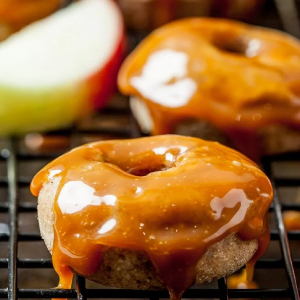
Instead, we run the warm pastries through a liquid sugar waterfall on a conveyor belt. This coats the top, the sides, and drips right down the middle perfectly evenly. Making the perfect batch is incredibly rewarding when you see that perfect golden ring emerge from the glaze.
Pro Tip: Always apply the liquid sugar while the pastry is still warm. This allows the coating to melt perfectly into a thin, crackly shell instead of a thick paste.
Common Mistakes
We see the same mistakes happen often with home bakers. Here is exactly how to fix them so you do not waste a batch:
- Dough is too dense: The yeast was likely dead, or your milk was too hot. Keep milk around 105°F.
- Coating falls off: You waited too long. Coat them while they are warm, not cold.
- Excessively greasy: Your frying oil dropped way below 350°F. Fry in smaller batches.
Why Trust Novaks Bakery?
We have spent years working directly in high-volume commercial kitchens. Our team has dialed in artisan bakery methods through years of daily practice and rigorous testing.
We know exactly how yeast acts on a rainy day and how to handle big recipe batches without losing quality. We run wholesale bakery operations that need to be completely perfect every single morning. We share these professional tips because we actually use them to succeed. You can always rely on our firsthand experience.
Expert Storage Tips: Keeping Glazed Donuts Fresh
Never put them in the fridge. We cannot stress this enough.
The cold air actively pulls the moisture right out of the dough. This makes it stale in just a few hours. The fridge humidity also turns the sugar coating into a sticky, wet mess that ruins the entire experience.
Just keep them on the counter in a sealed paper bag out of direct sunlight. A paper bag lets them breathe slightly so the sugar does not weep, unlike plastic containers, which trap all the moisture.
Can You Freeze Glazed Donuts?
Yes, freezing works exceptionally well. It locks in the moisture immediately and stops the staling process.
First, let them cool down completely on a wire rack. Put them on a baking sheet in a single layer and freeze them solid. Then, toss them into an airtight freezer bag. When you want one, microwave it for ten seconds. They taste surprisingly fresh, almost like they just came out of the fryer.
Conclusion
We all love a good donut because of that perfect mix of soft dough and sweet crunch. When you figure out exactly how the yeast works and nail the oil temperature, everything comes together flawlessly.
Whether you bake or fry them, getting the specific steps right makes a huge difference. If you would rather skip the messy kitchen part and let the professionals handle the heavy lifting, just let us do the work. Come by and order fresh baked goods to taste the true bakery difference today.
Frequently Asked Questions
Q. What oil is best for frying donuts?
A. Use canola or peanut oil. They handle high heat perfectly and will not leave a weird aftertaste.
Q. Why didn’t my dough rise?
A. Your kitchen might be too cold, or the yeast is dead. Always check the expiration date on your yeast packets before starting.
Q. How thick should I roll the dough?
A. Aim for about half an inch. The dough puffs up significantly once it hits the hot oil.
Q. Can I make the dough the night before?
A. Yes. Let it rise slowly in the fridge overnight. This actually builds much better flavor in the final pastry.
Q. How do I fix a runny glaze?
A. Whisk in a little more powdered sugar. Add one tablespoon at a time until it thickens up to the right consistency.
Q. How do I stop the dough from sticking to the cutter?
A. Dip your cutter in flour before every single cut. The dough will drop out easily every time.
