
The Best Bread for Sandwiches: Sourdough, Rye, or Brioche?
You grab some cold cuts, slice a tomato, and throw it all between two slices of whatever is sitting on the counter. Then you take a huge bite. The bottom completely falls out, the crust turns to mush, and mayonnaise drips onto your plate. We see people make this frustrating mistake constantly. Regular grocery store loaves simply lack the physical grip needed to hold real food.
If you want to know what the best bread for sandwiches actually is, you have to look at your ingredients first. Sourdough rocks a thick crust that handles wet veggies without falling apart. Rye brings the heavy, dense grip you need for a huge pile of cured deli meat. Brioche gives you that soft, buttery bite that makes greasy burgers taste incredible.
In 2026, more people are baking at home than ever before. We want to help you match the right loaf to the right lunch so you stop ruining good ingredients.
Why Sandwich Bread Selection Matters
Think about the crumb (the soft middle part) and the outer crust as the framing of a house. They have a big job to do. They need to absorb heavy dressings, hold back oil, and keep everything contained in your hands.
If you pick a weak base, the moisture from your tomatoes just turns the whole thing into a wet paste. A thick crust acts as a structural wall. A properly fermented crumb traps meat juices instead of turning soggy. Finding good healthy sandwich bread means finding flavors that actually work with your food, not against it.
A huge stack of hot pastrami needs a heavy-duty base. Soft egg salad needs something much gentler. Matching the physical strength of the loaf to your specific meal fixes the soggy bottom problem overnight. When you finally swap in quality sandwich bread, the texture and physical grip completely change the way you eat lunch.
The Tangy Classic: Sourdough Bread
Sourdough Flavor Profile and Texture
This is what flies off our shelves first every single morning. The secret is the artisan sourdough process, relying entirely on wild yeast and slow fermentation over several days. We let our dough sit in the cooler to develop real character before it ever hits the hot oven.
That slow timeline breaks down starches, giving the final bake a sharp tang. It cuts right through heavy animal fats. Structurally, you get a wide-open crumb full of holes and an aggressively blistered, crunchy crust. This creates incredible sourdough bread for sandwiches because it handles messy, wet ingredients effortlessly. You get a loud crunch on every single bite.
Best Sandwich Pairings for Sourdough
This loaf handles fatty, wet food better than anything else we bake.
- Thick BLTs: The hard crust refuses to get soggy under fresh tomato slices and wet lettuce.
- Grilled cheese: Hard cheeses like aged gruyere need a tough exterior to survive the hot butter in a frying pan.
- Thanksgiving leftovers: Pile on the sliced turkey and wet cranberry sauce. The sour dough perfectly balances the sweet fruit.
- Roasted vegetables: Charred peppers and heavy hummus work great here because the oil will not soak through to your fingers.
The Earthy Staple: Rye Bread
Rye Flavor Profile and Texture
Rye grain does not act like regular white flour in the mixing bowl. It holds way less gluten. That naturally forces the crumb to become incredibly tight, dense, and physically heavy.
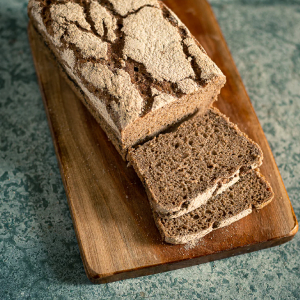
The smell hits you the second we pull it out of the oven. It is earthy and bold. We add caraway seeds to punch up that aroma even more. Because the inside is so tightly packed, it creates a nearly waterproof wall. Wet mustard will not soak through it. This specific bakery bread acts as a brick wall against heavily seasoned, greasy meats. When you want real rye bread for sandwiches, you are looking for that dense, heavy grip.
Best Sandwich Pairings for Rye
Strong flavors belong right here. Mild foods will just disappear against the strong caraway seeds.
- Hot pastrami: Slather it in spicy brown mustard for a real deli lunch at your kitchen counter.
- Traditional corned beef: The heavy crumb supports a big stack of meat without ripping or tearing apart.
- Classic Reubens: Throw on Swiss cheese, wet sauerkraut, and thick dressing. The tight crumb stays perfectly intact.
- Smoked salmon: Serve it cold with thick cream cheese and raw onions for a sharp flavor contrast.
The Rich Indulgence: Brioche Bread
Brioche Flavor Profile and Texture
Brioche ignores all the standard rules of bread baking. Instead of just flour and water, we pump the dough full of rich butter and fresh whole eggs. That fat completely changes the final product.
You get a ridiculously soft texture with a clear, noticeable sweetness. The crust is paper-thin and delicate. The inside practically dissolves on your tongue. Unlike our heavy rye, brioche feels fragile. It acts like a soft cushion for your food. If you are hunting for the best fresh bread for sandwiches, this is pure comfort food. To find great brioche bread for sandwiches, look for a shiny, golden-brown top crust.
Best Sandwich Pairings for Brioche
Enriched dough works best when paired with savory stuff that needs a sweet contrast.
- Juicy burgers: The soft crumb drinks up the hamburger grease without turning into mush in your hands.
- Cold chicken salad: The tender bread matches the soft texture of the filling perfectly.
- Pulled pork: The sweet dough easily balances out sharp, vinegary barbecue sauces.
- Breakfast stacks: Fried eggs, greasy bacon, and melting American cheese belong on this soft bun.
Sourdough, Rye or Brioche: A Quick Comparison
Before you start trying to make gourmet sandwich recipes in your kitchen, you have to understand these physical differences. Swapping your artisan bread for sandwiches completely alters the meal.
- Sourdough: Brings a chewy bite and a hard outer shell. It is the best option for wet veggies and grilled melts.
- Rye: Super heavy and seeded. This is the ultimate base for towering piles of cured meat.
- Brioche: Soft, sweet, and buttery. The best gourmet sandwich bread for greasy burgers and creamy cold salads.
Why Trust Novak’s Bakery?
We mix, shape, and bake hundreds of loaves every week. Great food starts with quality fresh bakery ingredients sourced from local millers we actually know and talk to.
Our baking crew relies on wild yeast and strict hydration tracking. We never use chemical dough conditioners or shortcuts. We just use flour, water, salt, and time. We want to feed this community real food made with actual physical effort. When you grab a loaf from us, you get years of hot-oven experience and a stubborn refusal to cut corners on quality.
Essential Tips for Better Lunches
People ask us for advice at the counter all day long. Here are the practical tips we always hand out to our regular customers:
- What to look for: High moisture control, strong physical grip, and flavors that work with your meat, not against it.
- Health notes: Long fermentation makes sourdough much easier to digest. Brioche gives you fast caloric energy from the butter and eggs.
- The burger rule: Brioche always wins this fight. The inside traps the grease quickly without breaking apart.
- The rye difference: Low gluten creates that super tight density. That is exactly why it is the perfect bread for deli sandwiches.
- Storage rules: Keep your loaves wrapped in paper bags on the kitchen counter. Plastic bags trap moisture and ruin a good crust instantly.
- Making the switch: Getting the right bread for homemade sandwiches gives you an amazing contrast between a crunchy outside and a soft inside.
Final Thoughts
Your base dictates the whole meal. Grabbing the sharp tang of sourdough for a BLT, the heavy density of rye for a Reuben, or the soft butter of brioche for a burger changes your entire eating experience. Do not let bad grocery store loaves ruin good meat and cheese.
Ready to build a better lunch? Visit us to pick up a fresh, handcrafted loaf today. Let us help you make your next meal great.
Frequently Asked Questions
Q. What is the best bread for sandwiches?
A. It completely depends on what you put inside. Sourdough handles wet veggies, rye holds heavy deli meats, and brioche is perfect for greasy burgers.
Q. Which bread is healthiest for sandwiches?
A. Sourdough is usually your best bet. The wild yeast and long fermentation process break down complex starches, making it much easier on your stomach.
Q. Sourdough vs rye bread for sandwiches?
A. Sourdough gives you a hard, chewy crunch for wet ingredients. Rye gives you a tight, dense grip made specifically for towering stacks of cured meat.
Q. What is the best artisan bread for homemade sandwiches?
A. A naturally fermented sourdough loaf is your most versatile option. The thick crust and chewy inside handle almost any lunch combo you throw at it.
Q. What is the best bread for turkey sandwiches?
A. Sourdough is our top pick. The natural sour tang cuts right through savory roasted meat and easily holds up to wet additions like cranberry sauce or gravy.
Q. What is the best bread for grilled cheese sandwiches?
A. Sourdough takes the crown here. The hard exterior crisps up incredibly well in a hot, buttery pan without turning into a greasy, soggy mess.
Q. Should I use sourdough or brioche for burgers?
A. Always go with brioche. The soft, sweet inside drinks up all those hot burger juices without breaking apart in your hands.
Q. What is the best bakery bread for paninis?
A. You need a tough crust that can take the heat. Sourdough handles the heavy pressure of a hot grill press without flattening out completely.
Q. Why is artisan bread better than packaged store bread?
A. Real bakers skip the chemical dough conditioners. You get a crust that actually holds your food together and real flavors that develop naturally over days, not hours.
Q. Rye bread vs white bread for sandwiches?
A. Rye acts like a brick wall for heavy, wet meats like hot pastrami. Standard white bread lacks that physical strength and quickly turns to mush under pressure.
